What to Do After Storm Damage Hits Your Roof
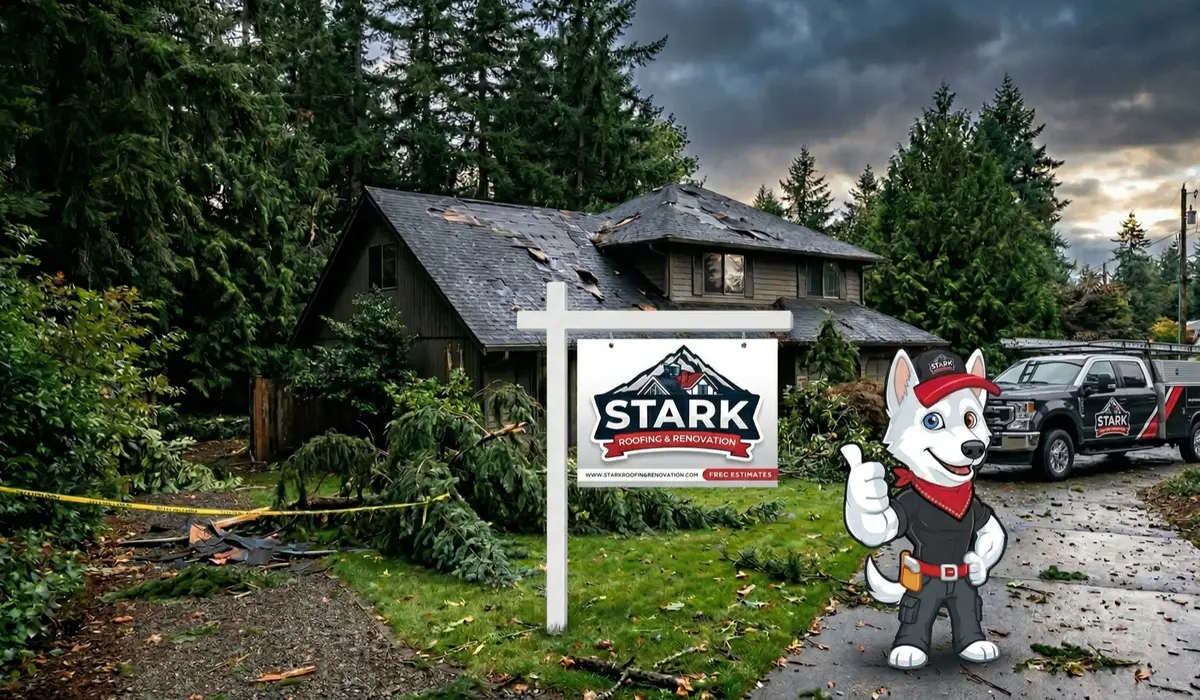
Washington State sees its share of severe weather — from windstorms and hail to fallen trees and heavy snow loads. When your roof takes damage, knowing the right steps can mean the difference between a fully covered repair and an out-of-pocket expense.
Here's your complete guide to handling storm damage and insurance claims:
Step 1: Document the Damage Immediately
As soon as it's safe, take photos and video of:
- Exterior damage — missing shingles, dents, fallen debris, damaged gutters
- Interior damage — water stains, leaks, ceiling damage
- Property damage — fallen trees, damaged siding, broken windows
- Date and time stamps — your phone automatically records these
This documentation is critical for your insurance claim. The more evidence you have, the stronger your case.
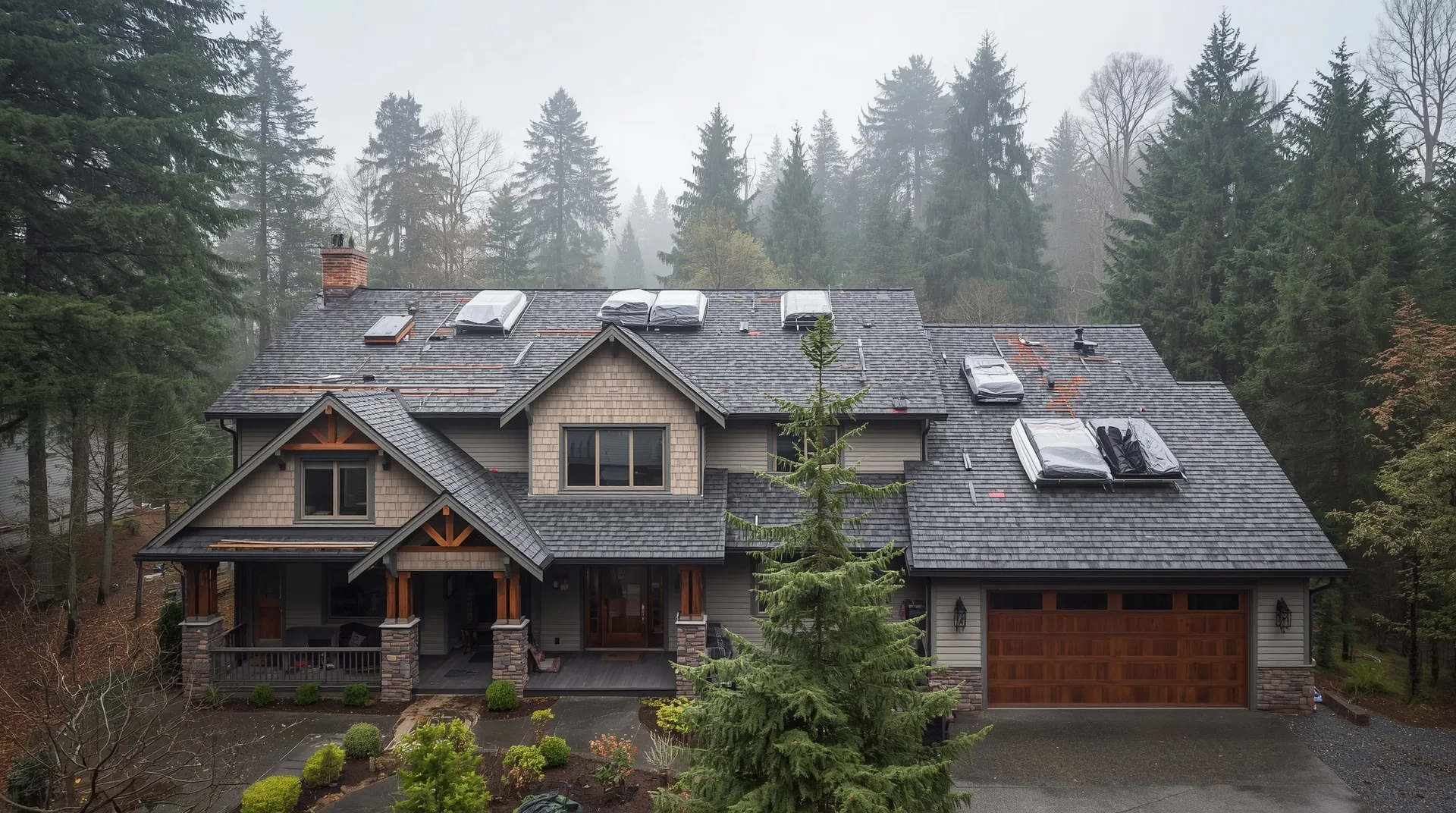
Step 2: Prevent Further Damage
Your insurance policy requires you to mitigate further damage. This might include:
- Placing tarps over exposed areas
- Cleaning up debris that could cause additional harm
- Moving valuables away from leak areas
Save all receipts for emergency supplies — your insurance should reimburse these.
Step 3: Contact Your Insurance Company
Call your homeowner's insurance to report the damage. Key things to know:
- Most policies have time limits for reporting storm damage (typically 60–90 days)
- You'll receive a claim number — keep this handy
- An adjuster will be assigned to inspect the damage
- Don't sign anything from the insurance company until you've had an independent inspection
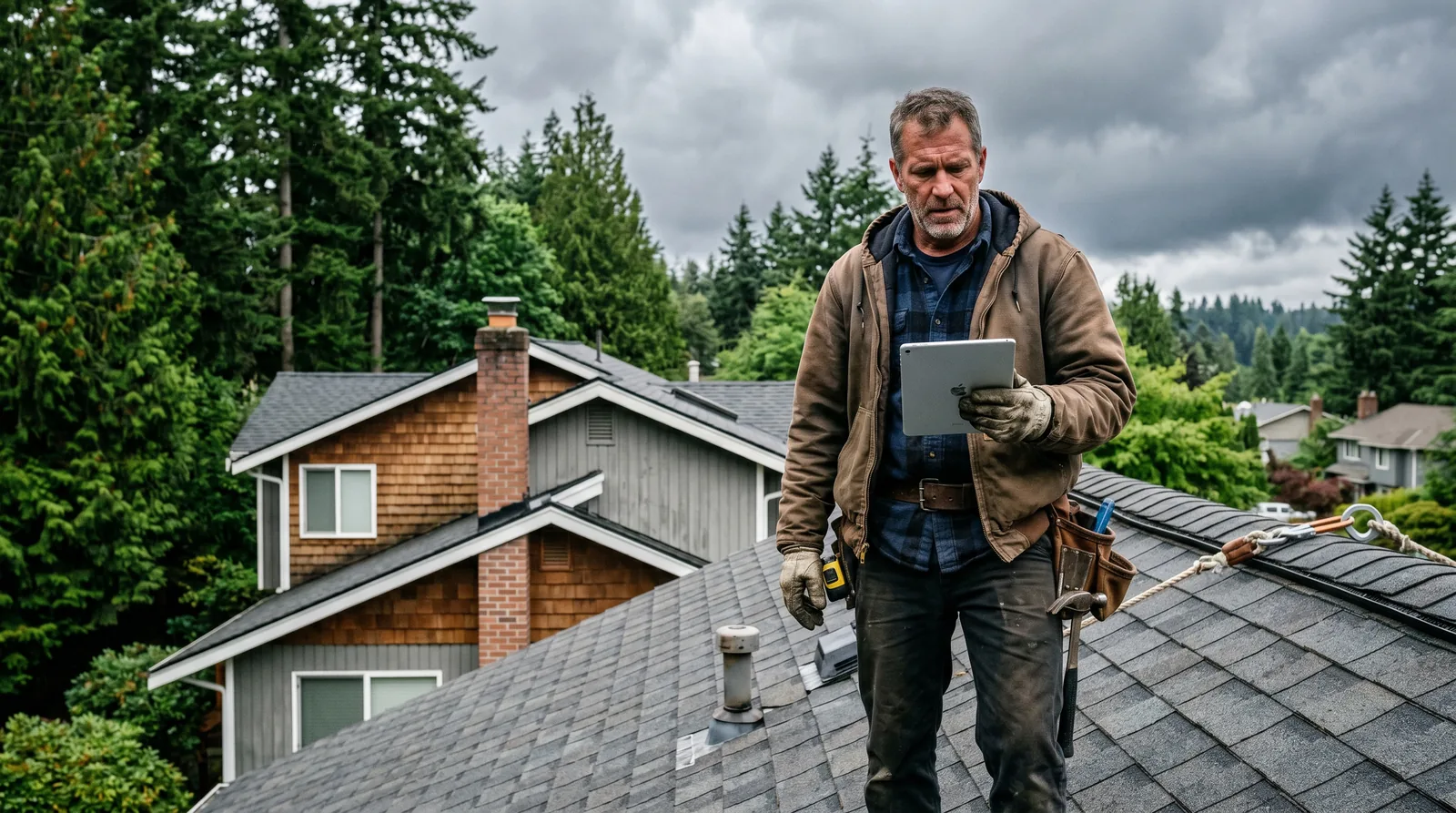
Step 4: Get a Professional Roof Inspection
Before your insurance adjuster visits, get an independent inspection from a licensed roofing contractor. This gives you:
- An unbiased assessment of all damage (adjusters sometimes miss things)
- Detailed documentation with photos your adjuster may not take
- A professional repair estimate to compare against the insurance offer
At Stark Roofing, we provide free storm damage inspections and can meet with your adjuster on-site to ensure nothing is overlooked.
Step 5: Meet Your Adjuster On-Site
When your insurance adjuster comes to inspect, it helps to have your roofing contractor present. They can:
- Point out damage the adjuster might miss
- Explain the full scope of repairs needed
- Provide technical details about roofing systems
- Ensure the claim covers all necessary work
Step 6: Review the Settlement
Your insurance company will send a settlement offer. Review it carefully:
- Does it cover the full scope of damage?
- Are material costs accurate for current market prices?
- Is labor priced fairly for the Seattle/Puget Sound market?
- Does it include code upgrades required by local building departments?
If the offer seems low, your roofing contractor can help you negotiate or file a supplement.
Common Questions About Roof Insurance Claims
Will my premiums go up? Storm damage claims typically don't increase premiums because the damage wasn't your fault. However, policies vary — check with your agent.
What if my roof was old? Insurance may depreciate the value based on age. However, if storm damage is the cause, you should still receive coverage for repairs. Some policies offer "replacement cost" coverage rather than "actual cash value."
What's my deductible? Your deductible applies per claim. It's the amount you pay before insurance kicks in.
We Handle the Entire Process
At Stark Roofing & Renovation, we've helped hundreds of Puget Sound homeowners navigate the insurance claim process. We provide:
- Free storm damage inspections within 48 hours
- On-site adjuster meetings to ensure full coverage
- Documentation and photos for your claim
- Supplement filing if the initial offer is too low
- Quality repairs using GAF certified materials and installation
Call (206) 739-8232 for a free storm damage inspection or request an appointment online. We serve Seattle, Sammamish, Bellevue, Redmond, Kirkland, Tacoma, Everett, and all of the Puget Sound.