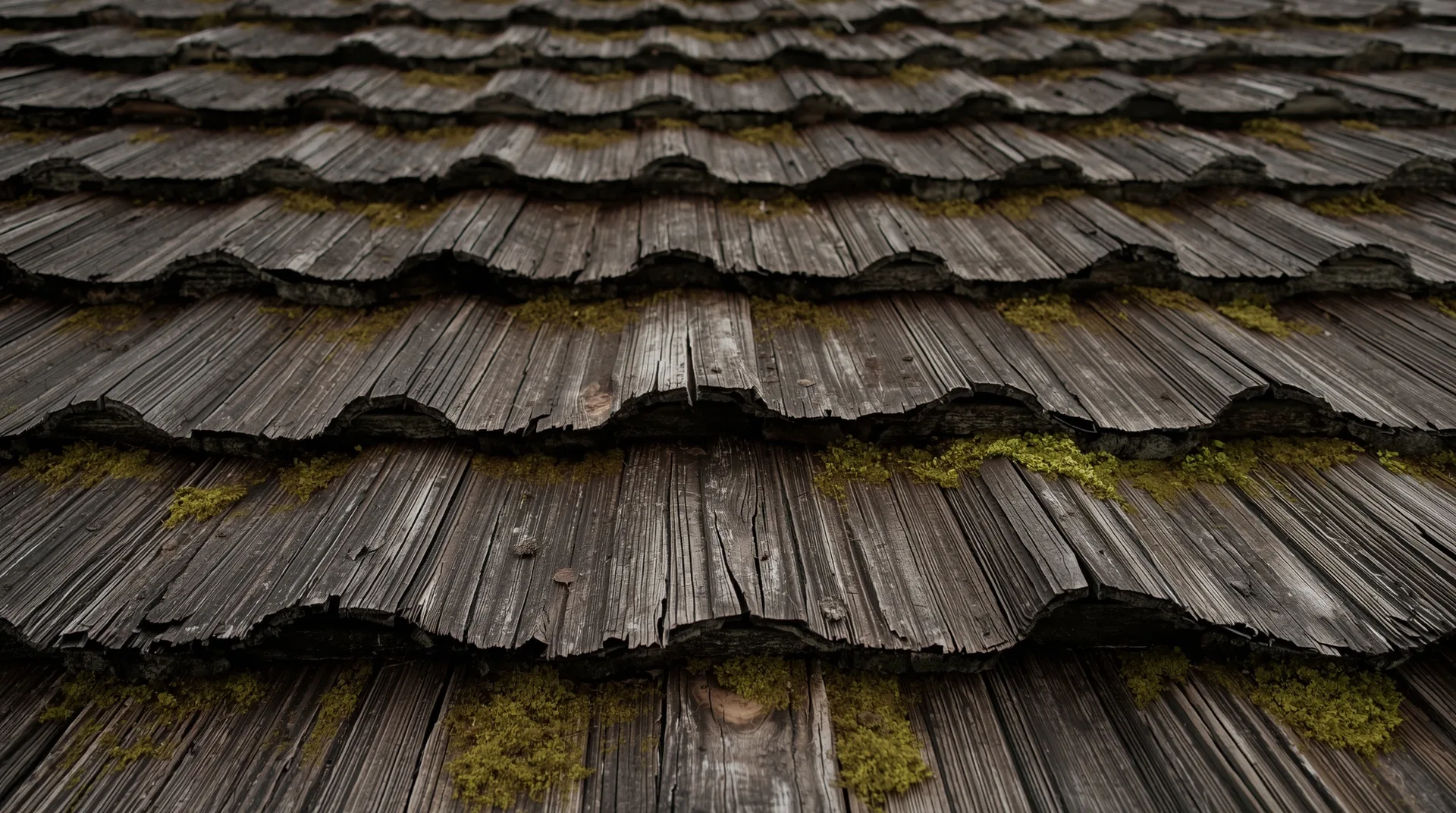
# Signs Your Cedar Shake Roof Needs Replacement (Not Another Repair)
Here is the short answer: a cedar shake roof is past the repair stage when the failures stop being local. One cracked shake is a repair. Widespread cupping, splitting across multiple slopes, moss packed into the keyways, and daylight or felt showing through are a system failing all at once, and repairs at that point are paying rent on a roof that has already given notice. On the Eastside, most shake roofs reach that point somewhere between 20 and 30 years, and the tree-heavy lots get there first.
This guide covers the specific signs, in the order they usually appear, and what your options actually are.
The outside signs, in order of severity
1. Cupping and curling. Shakes are split wood. After decades of Pacific Northwest wet-dry cycles, the edges curl upward and the shake cups. Scattered cupping on the sun-exposed south slope is age. Cupping across every slope means the wood itself is done.
2. Splitting. Hairline checks are normal in cedar. Wide splits that run the full length of a shake are open channels for water, and when you can see them from the driveway on ten different shakes, there are hundreds you cannot see.
3. Moss in the keyways. The vertical gaps between shakes are the roof's drainage. On shaded Eastside lots, moss colonizes those keyways, holds water against the wood, and rots the shakes and the felt underneath simultaneously. A moss-carpeted shake roof is almost always further gone than it looks.
4. Missing and slipped shakes after every windstorm. Fasteners rust and wood softens. When each November storm takes a few more shakes with it, the roof is telling you the attachment layer is failing everywhere at once.
5. Felt or daylight in the gaps. Look up the roof from a low angle. If you can see black felt paper, or worse, sunlight from inside the attic, the shakes have eroded past their working thickness. This is the last exterior warning before interior damage starts.
The inside signs most homeowners miss
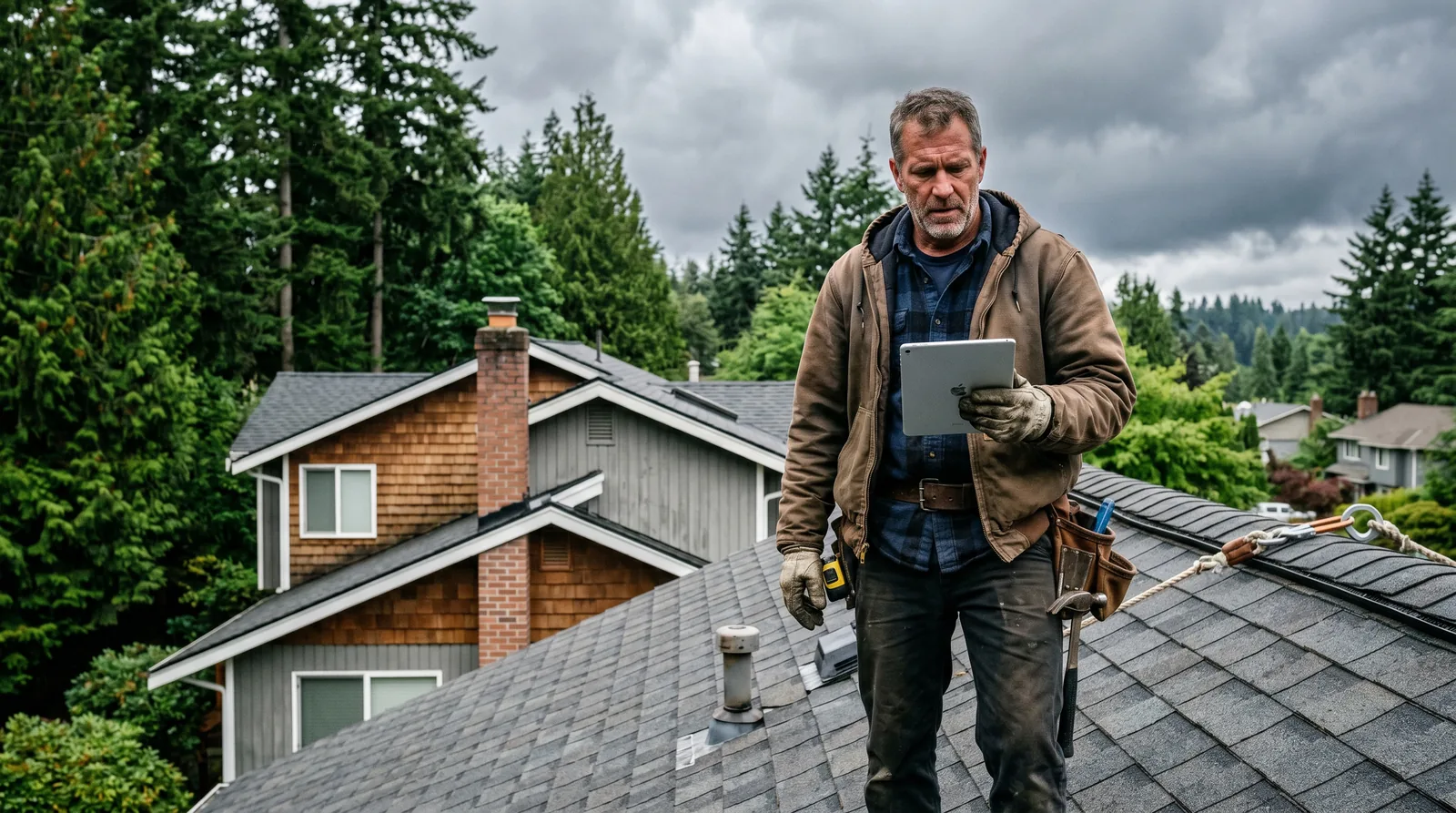
Check the attic with a flashlight twice a year. Water stains on the underside of the sheathing, dark streaks running down rafters, a musty smell after a storm, or compressed and damp insulation all mean water is already getting through the shake layer. By the time a stain reaches a bedroom ceiling, the water has usually been working inside the roof for a season or more.
Repair or replace: the honest math
Repair makes sense when the roof is under 20 years, the damage is localized to one area (a fallen branch, one wind-damaged slope), and the rest of the shakes still lie flat and thick.
Replacement makes sense when failures show on multiple slopes, you are calling for repairs more than once a year, moss keeps returning after treatment, or shakes have visibly thinned. Cedar repairs are expensive per-visit because matching and weaving new shakes into old is skilled work; at some point you are paying craftsman prices to patch a system with no runway left.
There is also the insurance angle: many Washington carriers now surcharge or decline older shake roofs, and a failing one can complicate renewals and home sales. A replacement resets that conversation.
What to replace it with
Most Eastside homeowners converting off shake choose one of two paths:
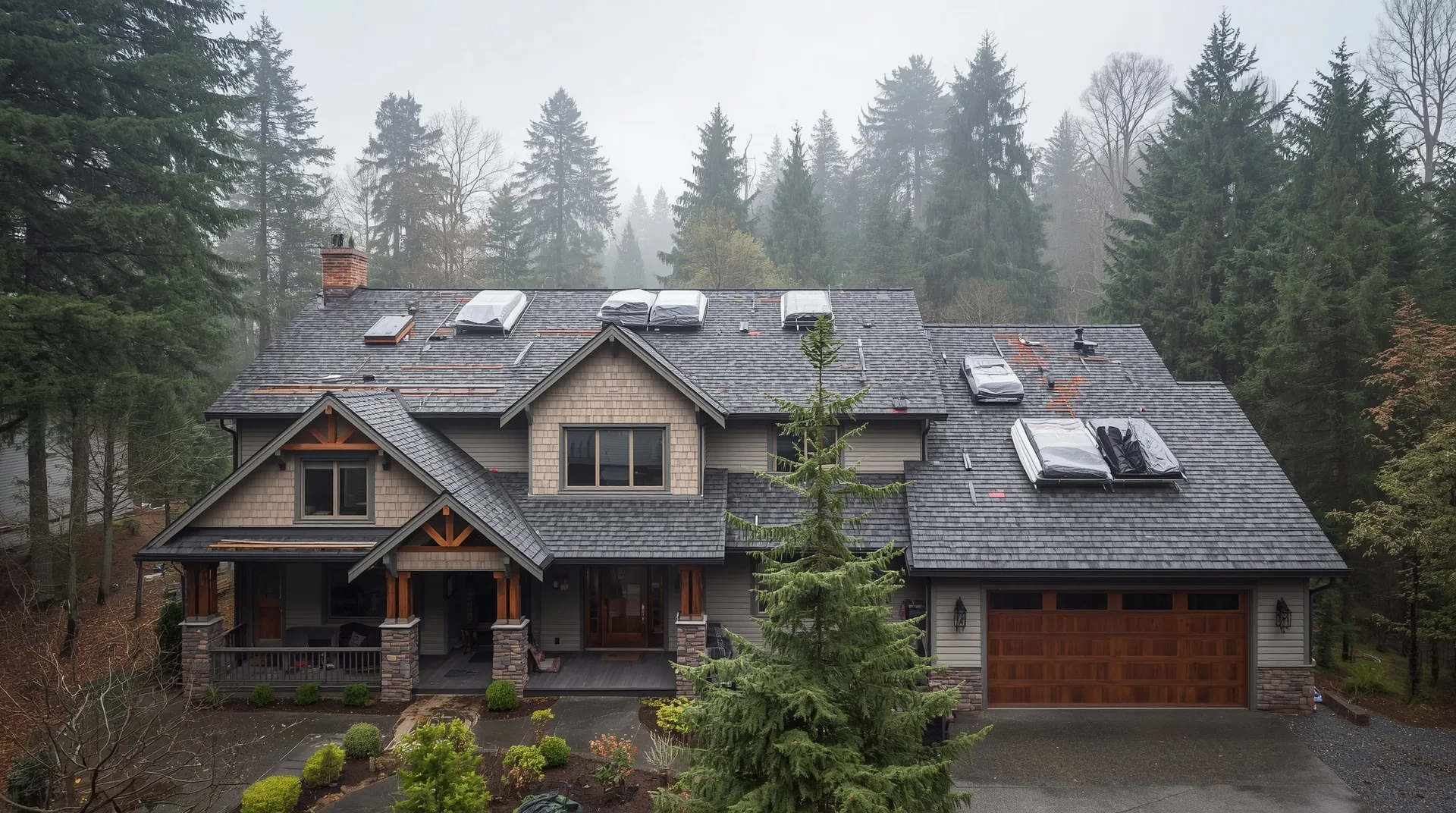
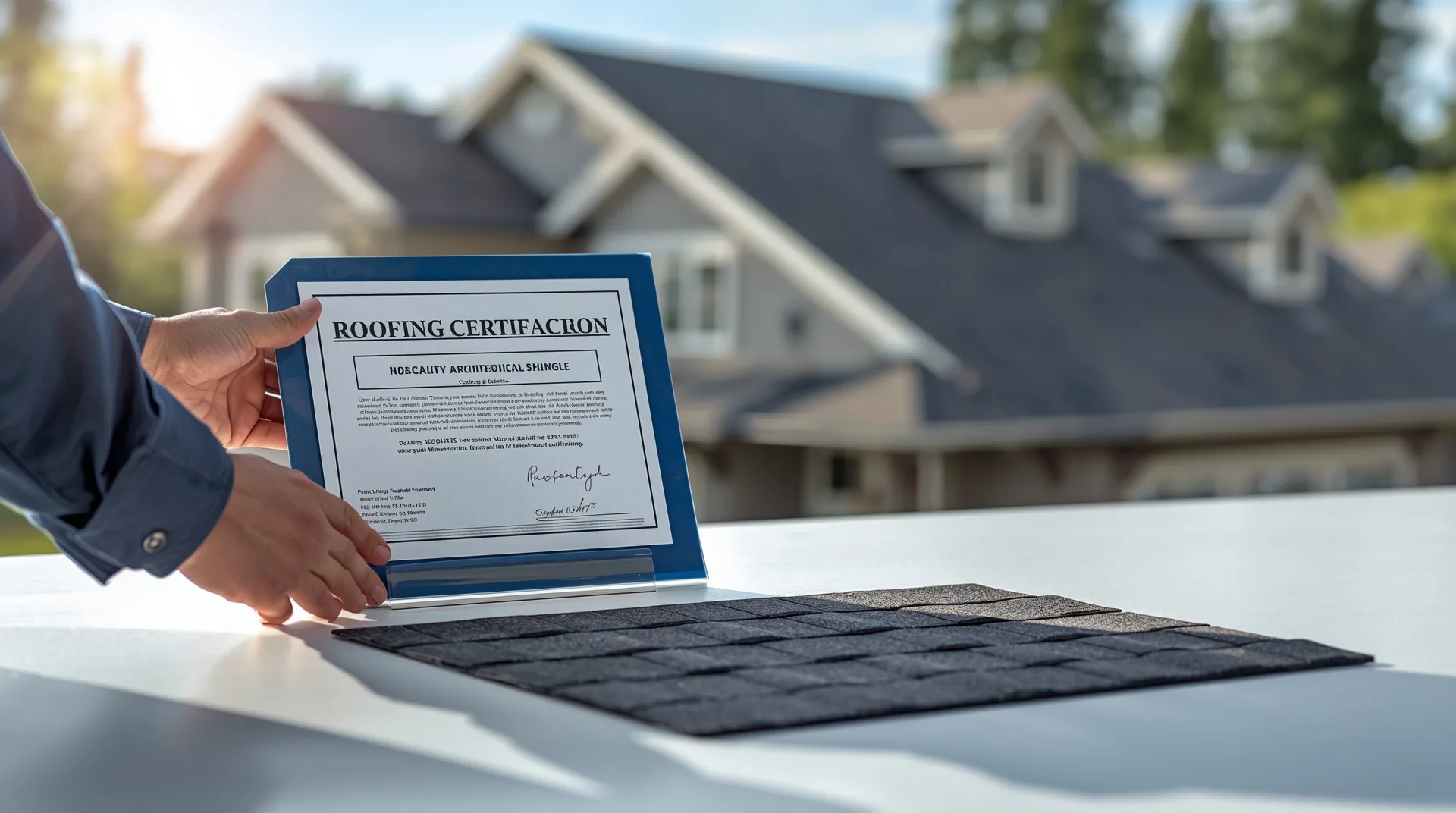
Architectural asphalt. The practical choice: dimensional shingles carry a fraction of cedar's maintenance, install with a full modern system (new decking where needed, ice-and-water shield, proper ventilation), and qualify for the strongest warranties. Done by a GAF Master Elite contractor, the roof can register the Golden Pledge warranty: up to 50 years on materials, 25 on workmanship.
Composite shake. Synthetic products keep the shake look with modern performance, at a premium price.
Either way, a shake conversion is more than a re-roof: shakes usually sit on skip sheathing (spaced boards), so the roof gets solid plywood decking before the new system goes on. We wrote a full walkthrough in our cedar shake conversion guide.
Get an honest read on your shake roof
Stark Roofing & Renovation has converted cedar shake roofs across Sammamish, Kirkland, Bellevue, and the Eastside for years, and we will tell you plainly which side of the repair-or-replace line yours is on. The inspection is free, includes drone photos you keep, and comes back as a written, line-item estimate signed off by Brenda. Call (206) 739-8232 or request an inspection online.