
Winter Is Over — What Did It Do to Your Roof?
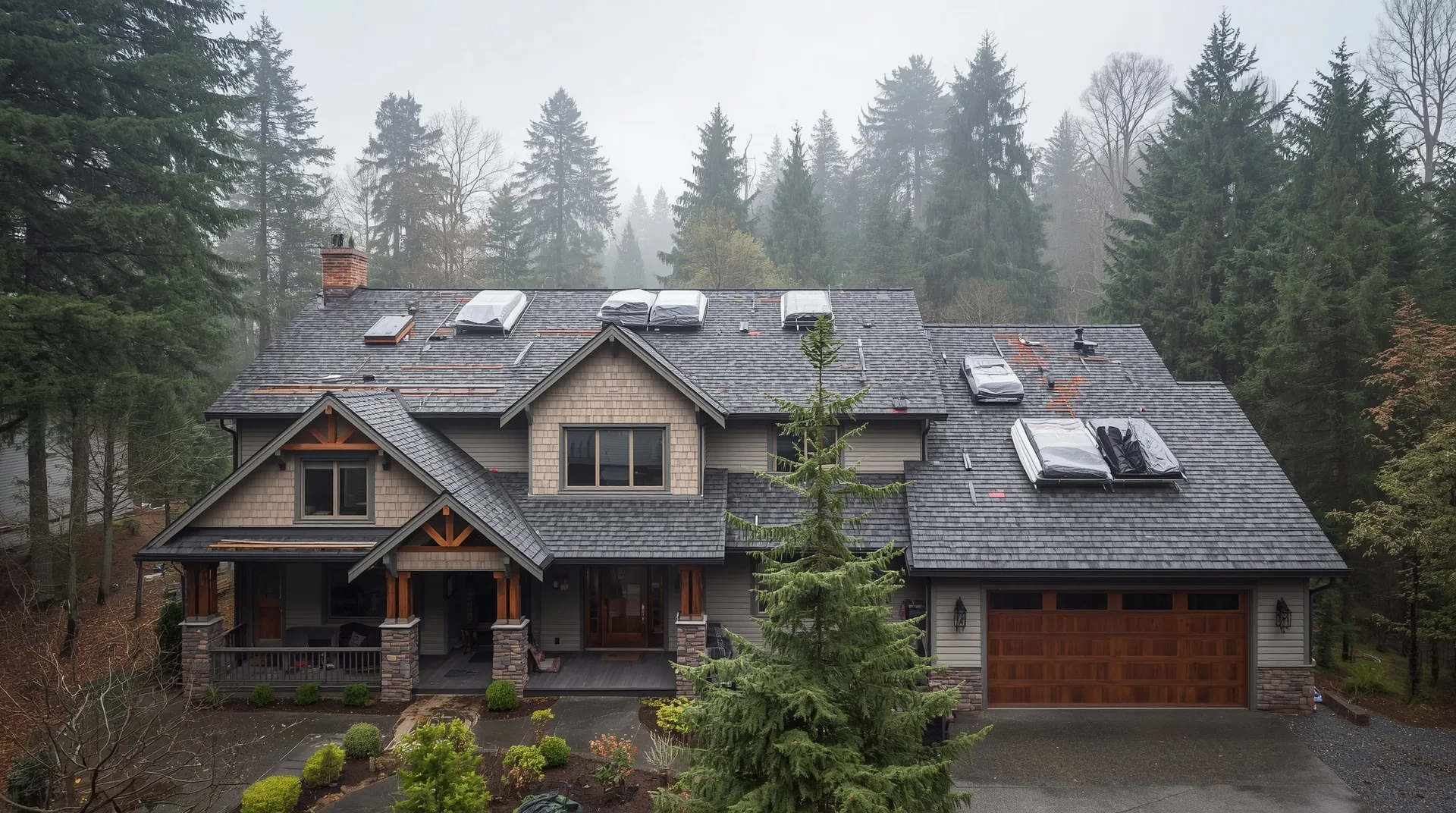
The Pacific Northwest winter of 2025–2026 brought rain, wind, and freezing temperatures that tested every roof in the region. Now that spring is here, it's the perfect time to assess the damage before problems get worse.
Here's the 12-point checklist our team uses when inspecting roofs after winter:
What You Can Check from the Ground (No Ladder Needed)
1. Missing or Damaged Shingles
Walk around your home and look at every visible roof surface. Look for:
- Bare spots where shingles are missing
- Shingles that are flipped up, curling, or buckled
- Shingle pieces in your yard or gutters
Winter windstorms are the #1 cause of missing shingles in the Puget Sound.
2. Sagging Roof Line
Stand back and look at your roof line from the street. It should be straight. Any dipping, sagging, or waviness could indicate structural damage from moisture or snow load.
3. Gutter Condition
Check your gutters for:
- Sections pulling away from the fascia board
- Visible rust, cracks, or holes
- Debris overflow from winter buildup
- Downspouts disconnected or aimed at your foundation
4. Granules in Gutters and Downspouts
After you clean your gutters (do this first!), look at the debris. Heavy concentrations of dark, sand-like granules mean your shingles are deteriorating faster than normal. Some granule loss is normal — heavy deposits are a warning sign.
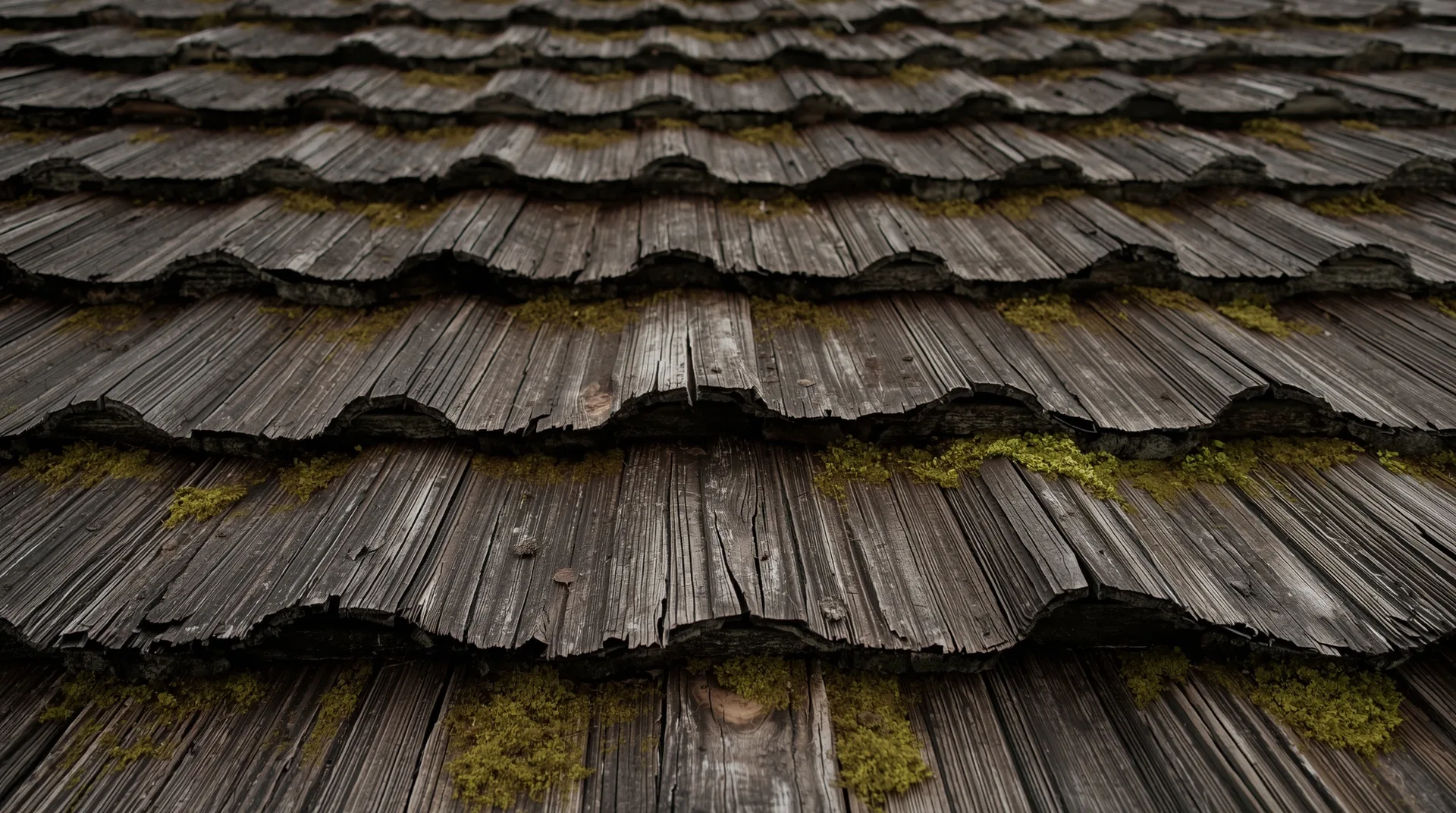
5. Moss and Algae Growth
Spring is when moss becomes most visible. Look for:
- Thick green moss on north-facing or shaded sections
- Dark streaks (algae) across the shingle surface
- Moss growing between shingle edges (sign it's lifting them)
Pacific Northwest roofs are especially vulnerable — our mild, wet springs accelerate moss growth.
6. Flashing Visible from Ground Level
Look at any metal flashing you can see around chimneys, walls, or vent pipes. Is it:
- Pulling away or bent?
- Rusted or corroded?
- Missing entirely?
Damaged flashing is the most common source of roof leaks.
What to Check Inside Your Home
7. Attic Inspection
If you can safely access your attic, look for:
- Water stains on the underside of the roof deck — brown or dark marks indicate past or active leaks
- Daylight showing through — if you see light, water can get in
- Mold or mildew smell — indicates persistent moisture problems
- Insulation condition — wet or compressed insulation has lost its effectiveness
8. Ceiling and Wall Stains
Check ceilings in every room, especially:
- Under bathrooms on upper floors
- Near chimneys and vents
- Along exterior walls
- In closets you don't check often
New water stains that appeared over winter are urgent — they mean water is getting in somewhere.
What a Professional Should Check
These items require getting on the roof — which we don't recommend for homeowners without proper safety equipment:
9. Shingle Adhesion and Nail Pops
Freeze-thaw cycles cause "nail pops" — nails that work their way up through the shingle surface. These create leak points and are invisible from the ground.
10. Pipe Boots and Vent Seals
The rubber boots around plumbing vents crack and deteriorate over time. Winter accelerates this. A cracked pipe boot is a guaranteed future leak.
11. Valley and Ridge Condition
Valleys (where two roof planes meet) and ridges (the top peak) take the most abuse from water flow and wind. A professional checks for proper sealing, wear, and shingle condition in these critical areas.
12. Ventilation System
Proper roof ventilation prevents moisture buildup, ice dams, and premature shingle aging. A professional checks that intake (soffit) and exhaust (ridge) vents are unblocked and functioning.
Your Spring Action Plan
After going through this checklist:
- All clear? Great — schedule your next check for fall (October) before the rains return
- Minor issues (1-2 items)? Schedule a professional drone inspection to assess severity
- Multiple concerns? Call a roofer for a comprehensive inspection — catching problems now saves thousands later
Why Spring Is the Best Time for Roof Work
Spring in the Pacific Northwest offers the best conditions for roof work:
- Dry enough for installation — sealants and adhesives need moderate temperatures
- Before the summer rush — roofers are less booked in spring than summer, meaning faster scheduling
- Ahead of next winter — any problems get fixed before the next rainy season
Schedule Your Free Drone Inspection
Stark Roofing & Renovation provides free drone inspections across King County, Snohomish County, Pierce County, and Kittitas County. Our GAF certified team will check every item on this list and provide you with high-definition photos and an honest assessment.
Call (206) 739-8232 or request a free drone inspection.